
The issue of oil subsidy is akin to a malignant growth. Doing nothing is not an option. Radical steps are necessary. Such radical steps may be painful, but they offer a fighting chance for survival.
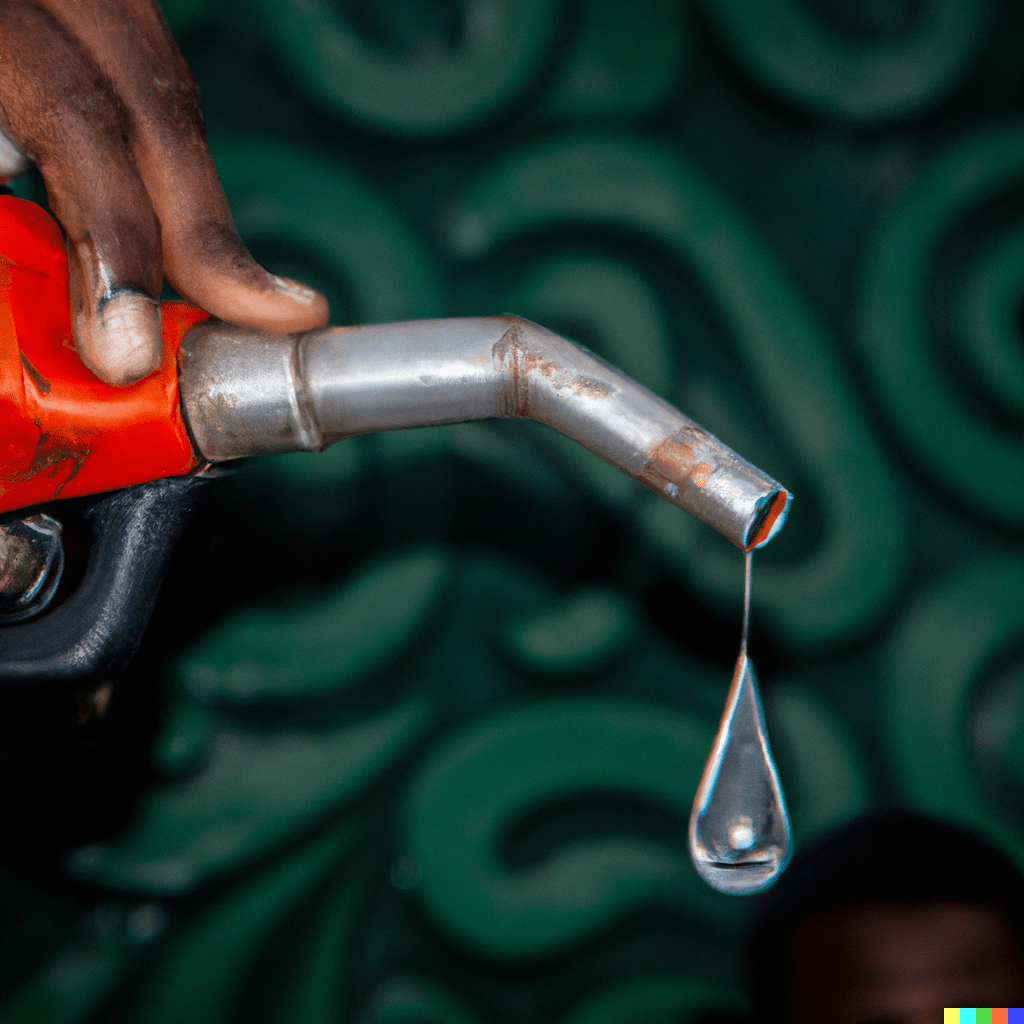
Throughout the oil subsidy debate, I’ve maintained that while I understand the case for its removal, I’m concerned about its impact. This is because fuel is an input into the production of virtually everything, predominantly via transportation.
When Bola Ahmed Tinubu (BAT), the new president of Nigeria removed subsidy and received applause, I noted that some of those celebrating probably did not understand how it would affect them.
Clearly, this policy was implemented hastily. This is evident in the President’s approach of putting the cart before the horse. BAT removed subsidies and is now planning relief. This is the problem he faces. The relief and mitigation measures will take months to implement. Too early to be talking about 2027 but if people are hungry, he will not win the election.
Indeed, BAT is confronting a crisis that could define his time in office. Nevertheless, we cannot continue to procrastinate on this issue. We were told BAT had prepared all these years in order to become president. Clearly, he had not thought deeply about the impact of subsidy removal. The lesson that the new president needs to learn is humility.
Having said this, I take issue with an eminent Social Media personality who has been persistently against oil subsidies but has not offered any idea on how to balance the book. Many of Nigeria’s finest minds are entrenched in forms of Marxism. Furthermore, there are insinuations about a Western agenda to destroy our economy. A country that has managed its economy well will never be dictated to by the IMF. Here are my concerns:
(1) Oil subsidy is not a subsidy for the poor; instead, it is a massive subsidy for both the rich and the poor. As a percentage of the budget, it was larger than the UK’s welfare budget as percentage of UK budget. This is perverse and absurd. Welfare should be targeted as it is in UK.
(2) There is no IMF conspiracy against Nigeria. Nigeria has an issue with how it finances itself. Those arguing for the retention of oil subside implies the status quo is sustainable. It isn’t. Oil subsidies are unaffordable. Why should Nigeria alone in West Africa pay so little for oil? This situation encourages smuggling on small, medium, and large scale.
(3) In the autumn of 2022, the UK realized it wasn’t America and therefore couldn’t print and spend money recklessly. At one point, the UK offered every household a flat support of about 600 pounds or so. It was ridiculous. Billionaires and those on state support received the same 600 pounds. Millions of households that had the capacity to fund an extra 600 pounds were subsidised by the state, a ridiculous act. Eventually, Truss’ government fell. The universal subsidy planned for households and businesses was reduced and refocused on households that needed more support. Nigeria is in a worse state and faces bankruptcy if it continues spending money it cannot raise.
(4) The three top candidates in February 2023 were right-wing free marketeers. They all pledged to remove subsidies. Neither Nigerian journalists nor the Nigerian people scrutinized this issue during the campaign. Despite having other choices, more than 90% of the votes went to these three candidates, the issues voters were concerned about were ethnicity and religion. You can conclude that the Nigerian voters, either implicitly or explicitly, signed up for these changes.

 oyebode.com