“If you are poor, it means you are not living a godly life. Poverty is a sign that there is sin in your life. Never believe that a poor man is holy.”
— A quote attributed to Pastor Korede Komaiya
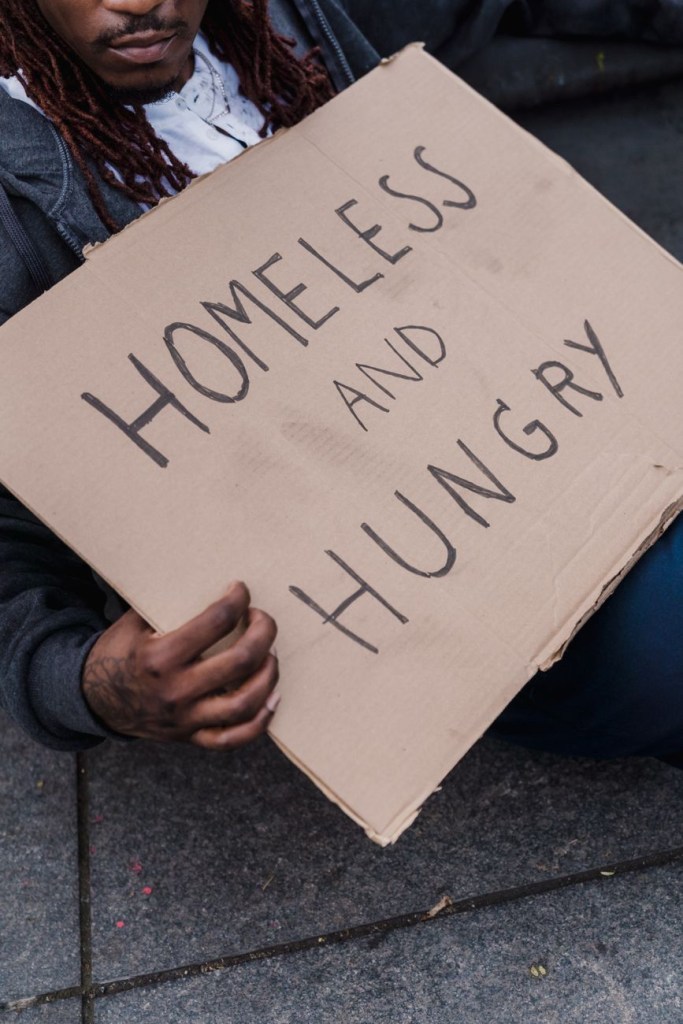
In Nigeria, the poor are often treated not as victims of an unjust system but as a threat to those who have managed to survive it. This disdain is not confined to private conversations; it appears repeatedly in public debates, including on Facebook.
Recently, someone who no longer lives in Nigeria expressed to me concern about what the poor might do to the middle class, one day.
What struck me was not only the use of the phrase “poor people,” but the way it framed the entire discussion. The poor were presented as a threat, while those who create and sustain inequality through the distribution of the national cake escaped scrutiny.
Why should the poor, who are among the system’s most direct victim, be the source of concern? Why not the politicians, institutions and elites who hoard public resources and deepen economic exclusion?
The person in question comes from the “prosperity” and “faith” movement, a religious environment that often pathologises and stigmatises poverty.
Within that worldview, poverty is no longer understood primarily as a social and economic condition produced by injustice, exploitation and failed governance. It becomes a moral defect: evidence of personal failure, insufficient faith or even divine disfavour.
This framing does more than insult the poor. It protects the powerful. By making poor people responsible for their poverty, it shifts attention away from the structures and individuals that produce it.
The poor are therefore not merely abandoned by an unjust system; they are blamed for being trapped in it.
No wonder politicians love these preachers, they help condition the minds of citizens to look elsewhere rather than hold politicians to account.